Pak’s ISI, terror outfits radicalising state’s youth: Uttarakhand Police
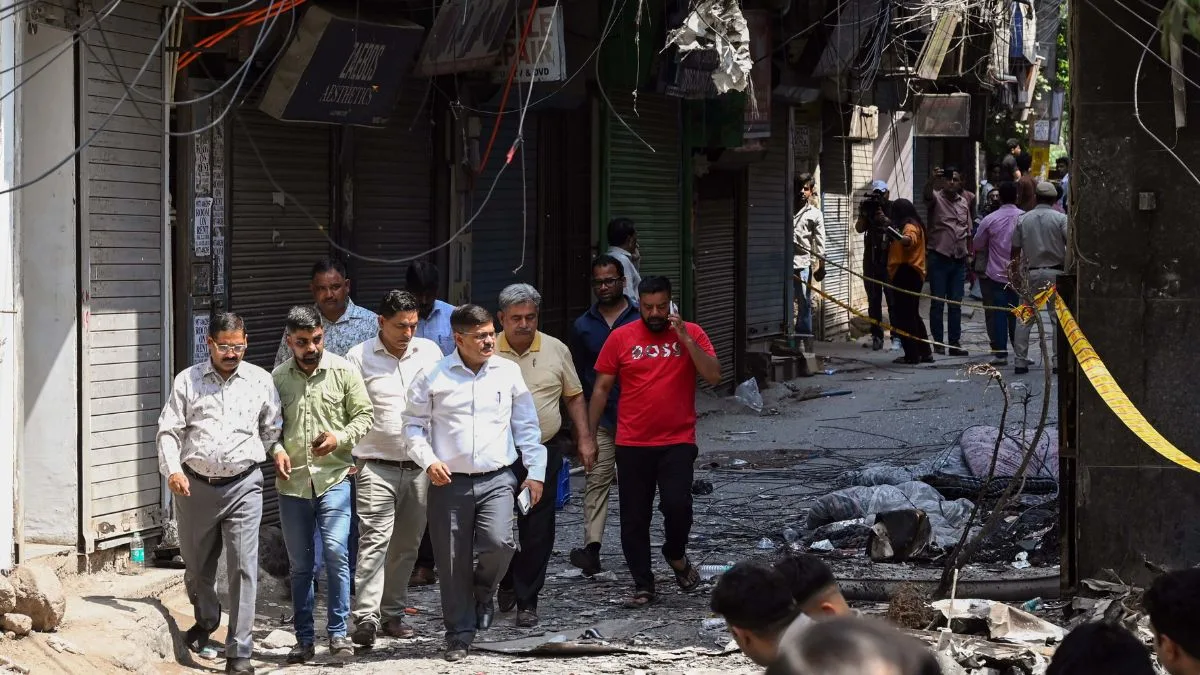
The Uttarakhand Police have stated that the state's youth are being influenced by Pakistan's ISI and other terrorist organisations across the border.
Rising losses and multiple security challenges are putting pressure on Pakistan’s intelligence system, with leadership signalling tougher accountability and possible internal changes in the coming weeks.





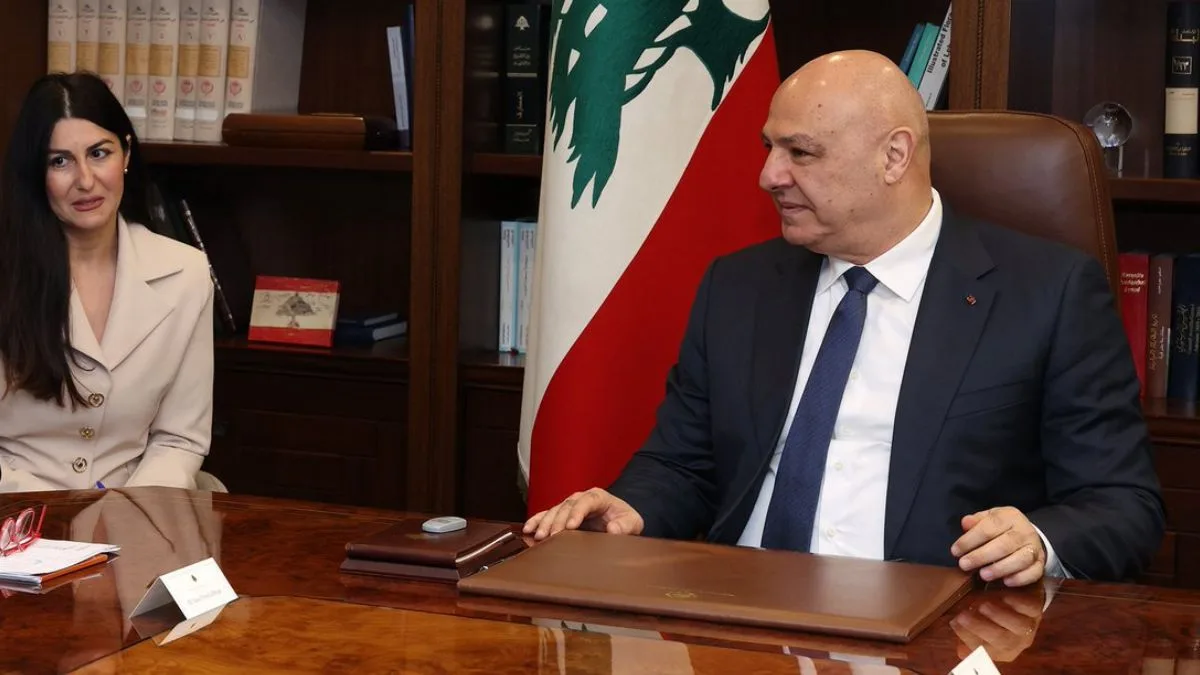
Field Marshal Asim Munir has warned Pakistan’s intelligence agencies to improve performance amid rising security challenges. | IANS
There are clear signs of unease inside Pakistan’s security setup, with tensions rising between the Army and the ISI after a series of intelligence failures on the ground.
Field Marshal Asim Munir has now stepped in sharply, warning the intelligence establishment to deliver results, a move that could lead to a reshuffle at the top. The warning follows repeated lapses that have left Pakistani forces exposed in multiple operations, reported news agency IANS.
Advertisement
Officials tracking developments say the Army and the ISI are no longer moving in lockstep. Over the past few months, coordination between the two has weakened, something that was rarely seen earlier.
Advertisement
The strain became more visible after India’s ‘Operation Sindoor’, which, officials say, came without any prior warning from Pakistan’s intelligence agencies. Since then, the situation within the country has only worsened.
Security forces are now stretched across several fronts; battling Baloch insurgent groups, the Tehreek-e-Taliban Pakistan (TTP), and dealing with tensions linked to Afghanistan. Losses have been heavy, particularly in areas like Khyber Pakhtunkhwa.
In some pockets, the TTP is said to be running checkpoints and restricting the movement of Pakistani forces. On the ground, there is growing frustration. Troops have flagged weak or missing intelligence, saying it makes operations risky and unpredictable.
Earlier this week, Munir called a meeting of senior Army and ISI officials. Those present said his message was direct: ‘perform or perish’.
That message has not gone down well within the ISI, especially with talk of a major internal reshuffle. Several senior officers could be moved out as part of the changes.
Sources say the Army chief has been unhappy with the lack of actionable intelligence on key militant leaders. A few months ago, the ISI was asked to track and neutralise top figures from the Balochistan National Army (BLA) and the TTP, including Noor Wali Mehsud.
Progress has been limited.
There is also dissatisfaction with the Military Intelligence wing, which has struggled to provide reliable inputs on Taliban leadership. Pakistan has carried out strikes inside Afghanistan, but many of these have not hit intended targets and have instead led to civilian casualties.
Pakistan is currently dealing with unrest in Balochistan, a growing TTP presence, and an ongoing conflict linked to Afghanistan. Handling all of this at once has stretched the intelligence network thin.
Some officials privately admit the system is under pressure. There was an expectation that after the setback linked to ‘Operation Sindoor’, the establishment would pause and regroup. Instead, operations have expanded.
That has come at a cost.
Repeated intelligence gaps, rising casualties, and now internal friction are beginning to affect morale. Officials warn that unless coordination improves quickly, the situation could worsen for Pakistan’s security forces.
Advertisement